
# Part Four: The Cost of Room
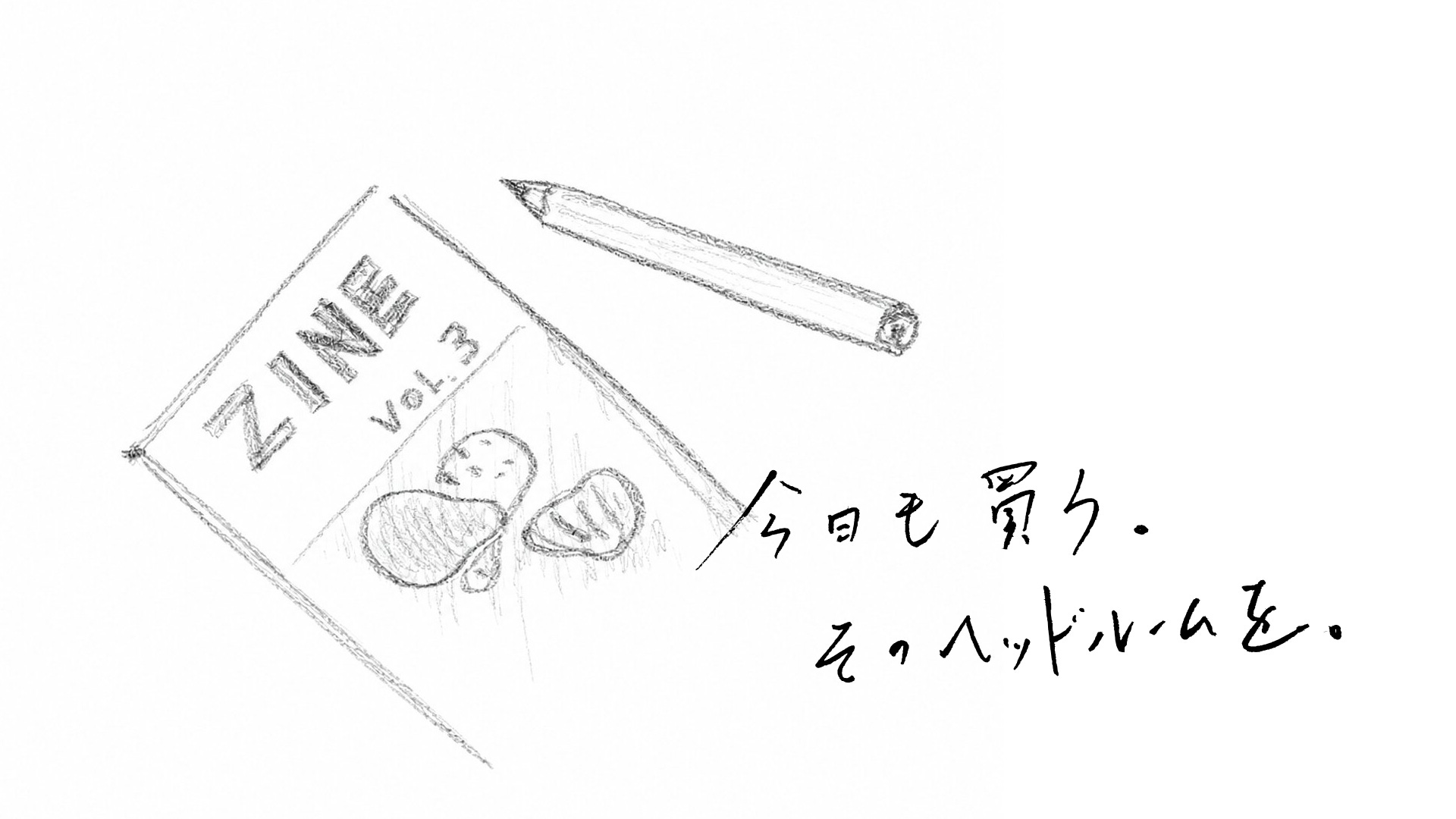
## Chapter 9: After It Sold for 300 Yen
Kubo’s email arrived about a month after the zine fair.
The subject line was short.
About *Between Transfers*
Mizuno opened it during lunch. After thanking him for buying the earlier booklet, Kubo wrote that he had printed more copies and begun selling online.
Only the final two lines did not follow smoothly from what came before.
Thanks to that, more people are reading it than before.
But I’m having trouble writing the next one.
It was not that he could not write because it had failed to sell. Because it had sold, he could not write the next one.
Mizuno read the email again from the beginning.
At the end, Kubo mentioned that he would be taking part in a small sales event nearby. Mizuno replied, “I’ll come by that day.”
The venue was a small event space on the second floor of a used-book store. Six tables lined the walls, with a single aisle through the center wide enough for visitors to pass one another.
When Mizuno arrived, three customers were standing in front of Kubo’s table.
A new booklet was stacked beside *Between Transfers*. Its title was *Before the Doors Close*. Like the first, it was made from white paper with a train door drawn in black lines. The price was still 300 yen.
Kubo handed a booklet to the first customer, accepted a 1,000-yen bill from another, and returned the change. In the middle of that, the third customer spoke to him.
“I bought the previous booklet online.”
“Thank you.”
“Will you put this one online too?”
“That’s the plan.”
“When?”
“By sometime next week.”
There was a slight pause before the answer. The customer did not seem to notice and picked up a copy of the new booklet.
Mizuno waited a short distance away.
There were more things on Kubo’s table than there had been at the first event. A tin of change. Clear bags. Tape. Envelopes. A sheet for writing addresses. A guide explaining the shipping methods. Two cardboard boxes sat under the table.
When the customers cleared, Kubo noticed Mizuno.
“You came.”
“I was wondering about your email.”
“Sorry. I wrote something strange.”
Kubo offered him the folding chair behind the table, and Mizuno sat beside him.
“You’re selling more.”
“More than before. After the first event, someone introduced it, and orders started coming in little by little.”
“That’s good.”
“It is.”
The answer came quickly. It did not seem that Kubo was unhappy about it.
“I think making it 300 yen was the right decision too.”
“It’s hard to pay 1,000 yen from the start for writing by someone you don’t know.”
“That hasn’t changed.”
The online order list Kubo showed him contained order numbers, quantities, and shipping status.
“One copy is 300 yen. Even with shipping, I think it’s an amount people can pay to try it.”
“And yet you can’t write?”
“The work of selling has increased.”
A new customer approached the table and asked about the difference between the first booklet and the new one. Kubo explained the contents, and the customer bought both.
“That kind of thing,” Kubo said.
“At an event, it’s still easy to understand. I can talk here and hand it over on the spot.”
“Online is different?”
“Each time one copy is ordered, I check the payment and address, put it in an envelope, write the address, and mail it. Then I send a shipping notice.”
“One at a time?”
“For now.”
“Why not send them in batches?”
“When an order comes in, I want to send it quickly.”
Only there did Kubo correct himself slightly.
“Not because it’s a 300-yen booklet. When someone buys it because they want to read it, I don’t like making them wait for days.”
It was not simply excessive service for a cheap product. When an order arrived, he wanted to place the booklet in the reader’s hands at once. For Kubo, that speed seemed to be part of selling the booklet.
“Do you bind them yourself too?”
“Yes. I print them, fold them, put the pages in order, and staple them down the center.”
“How many at a time?”
“Twenty at first. Now fifty.”
“You increased it.”
“When I make fifty, I worry they’ll be left over. If I make twenty, I have to make more every time they run out.”
A single copy was thin and light. At fifty copies, they became a mass of paper beneath the table.
“I get more inquiries too. It hasn’t arrived yet. I wrote the wrong address. I meant to order two but ordered one. Can I buy the previous booklet at the same time?”
“You answer all of those yourself?”
“There’s no one else.”
Several unread markers remained on the smartphone at the edge of the table.
“When I get home from work, I check the orders.”
“When do you write?”
“After that.”
“Around what time?”
“If I can start, about eleven.”
“If you can start?”
“Some days I print. Some days I run out of bags and have to go buy them.”
When their conversation stopped, the sound of hard book covers touching came from the used-book store below. Elsewhere in the event space, another exhibitor was explaining a booklet to a customer.
“I started because I wanted to write,” Kubo said.
“But the more it sells, the more work there is before I can write.”
There was a thin cut along the side of one finger, as if from paper.
“What if you raised the price?”
As soon as he said it, Mizuno thought he had reached for an answer too quickly.
Kubo did not reject the idea.
“I’ve thought about it.”
“Why not raise it?”
“I don’t know whether people who buy it for 300 yen would buy it for 500. And I still think the reason I chose the price was right.”
It was hard to pay a large amount from the start for writing by someone unknown. In fact, some people had picked it up because it cost 300 yen.
Selling more copies had not changed the role of the booklet.
“It isn’t that 300 yen is wrong,” Kubo said, choosing his words.
“I think I just haven’t learned how to sell it for 300 yen yet.”
Mizuno opened his notebook and asked Kubo to list everything he did after one booklet sold, starting from the beginning. Checking the payment and address. Packing. Addressing. Sending a shipping notice. Answering inquiries. Checking stock. When the stock ran low, buying paper, printing, arranging the pages, folding, and stapling. Events also meant applications, participation fees, transport, change, announcements, sales records, and carrying unsold copies home. The list grew to nearly twenty items. “Write” was not among them.
A customer came to the table. Kubo handed over a copy of the new booklet, and 300 yen went into the tin. After the sound of the coins disappeared, Mizuno asked, “Other than raising the price, is there anything you could reduce?”
Shipping came first. Instead of every day, he could batch it twice a week, on Tuesdays and Fridays. Kubo resisted: “Won’t people think that’s slow?” But if the shipping days were clear at the time of purchase, perhaps they would not feel they had been kept waiting. He changed the note on his phone.
For binding, the first booklet had twenty pages and the new one twenty-four. From the next issue, he would use a fixed length. He would not force the writing to fit. He would decide the overall size of the booklet first so he could reuse the same white cover and printing settings.
He would set the release date only after finishing the text. Without an external deadline, his writing might slow down. But it was still better than carrying unfinished writing, the cover, and the announcement at the same time.
Sales would center more on events, but he would not stop selling online. Kubo wanted people far away to read him too. He would sell the two existing booklets as a 600-yen set so the envelope and shipping could be combined.
Mizuno made another column beside the list.
Do not ship every day.
Fix the page count.
Use the same printing and binding method.
Release after the text is complete.
Center sales on events.
Sell existing issues together.
Most of the items now listed as improvements had been chosen by Kubo himself. All Mizuno had done was place the scattered work on the same sheet of paper and ask what he could let go.
“This might make things a little different even at 300 yen.”
“Can you change them right away?”
“I’ll change the shipping days today. The page count from the next one. The set after I count the stock.”
Not everything could be changed easily. But to recover time for writing, it seemed possible to let go, just a little, of immediate shipping and deadlines imposed from outside.
Footsteps climbed the stairs, and another customer entered the room.
“Is this the kind of work you do?” Kubo asked.
“No.”
“Process improvement at your company?”
“Product planning and sales support,” Mizuno answered. “Lately, I’ve just been thinking about what happens after something is bought.”
“After it’s bought?”
Mizuno told him about the day he bought *Between Transfers*. How he had continued receiving something from the writing after paying 300 yen. How the payment meter had room left, while the experience meter moved far.
“Then pricing it at 300 yen did have meaning.”
“I think it did.”
The reason Kubo wanted to keep the price at 300 yen was not only to reduce the customer’s resistance to paying. Readers who had never known him had opened his writing to try it. His wish to continue online sales came from the same place.
“But even if there’s room left on the buyer’s side, it won’t continue if there’s none left on the maker’s side.”
Kubo looked at the booklets on the table. About ten copies of the new one remained.
“If I can’t write the next one, I won’t have anything to sell.”
The event was nearing its closing time, and the exhibitors around them began packing. Clear bags and coins for change were put away. Cardboard boxes were reassembled.
Kubo counted seven copies of the first booklet and eleven of the new one.
Before leaving, Mizuno said, “I’ll take one of the new ones.”
“Thank you.”
Kubo picked up *Before the Doors Close* and started to put it in a clear bag.
“I don’t need the bag.”
Kubo returned it to the table.
Mizuno paid 300 yen.
That night, he opened the new booklet on the train home.
The same paper. The same printing. The same size. It felt the same in his hands.
The writing was new.
After the second piece, Mizuno closed the booklet. He opened the list of Kubo’s tasks in his notebook and wrote beneath it:
There is still room in the customer’s payment.
The provider’s time is pressed against the upper limit.
After hesitating briefly, he added another line.
Room on the customer’s side alone is not enough for it to continue.
When the train entered a tunnel, the running noise between the wheels and the walls suddenly grew louder.
The sound was not clipping.
But while it lasted, none of the other small sounds could be heard.
← Previous: Chapter 8 — Watch the Customer. Do Not Let the Customer Decide.

Back to the English Contents

Next: Chapter 10 — Where Does the Value Remain? →

この章を日本語で読む