
## Chapter 8: Watch the Customer. Do Not Let the Customer Decide.
When Mizuno closed his notebook, he spotted Asanoya Ichifune beside the reception desk.
Several audience members still remained around Ichifune after the performance. A man who had sat in the front row repeated part of the story. Ichifune replied briefly, and a small laugh rose again among the people around them.
“Do you want to talk to him?” Saeki asked.
Mizuno nodded.
“I want to ask about the audience just now.”
“Then go ask.”
“He only just finished. Won’t it sound like a strange question?”
“I think you’ll be all right if you don’t show him the recorder’s meters.”
They waited until the last audience member moved away, then approached Ichifune.
“Thank you for today.”
“Thank you. You laughed a lot.”
“Can I ask you one thing?”
“As long as it isn’t difficult.”
Ichifune laughed.
What Mizuno wanted to ask about was not the size of the laughter itself. Ichifune waited while the voices in the audience remained, then moved the story forward once the room grew quiet. How much did he adjust that speed to the audience?
“Do you change the story every time while watching the audience’s reaction?”
“What do you mean by change?”
“If there aren’t many laughs, do you add something else? If it doesn’t seem to be getting a response, do you switch to a different story?”
“I sometimes add things. But I almost never switch to another story once I’ve started.”
“You are watching the audience.”
“Of course. You can’t do it without watching.”
The audience that day had responded vocally from the beginning, he said. If the laughter lasted, he waited. If the response was small, he moved a little faster. Even with the same story, the speed was not exactly the same each time.
“If the audience is quiet, do you add an explanation that’s easier to understand?”
“Sometimes. If I think it isn’t reaching them, I add one more line, then another.”
“Does that make it reach them?”
“Sometimes. But if I get scared and add too much, the story can get heavy.”
Ichifune’s answer was less organized than Mizuno had expected.
It was not a matter of watching the audience and therefore adjusting correctly. When the response was small, Ichifune also became uneasy, and that uneasiness could slow the story down.
“When they aren’t laughing, doesn’t it look as though they aren’t listening?”
“Sometimes. But some people listen quietly.”
“How can you tell the difference?”
“Whether they’re leaning forward, looking away, waiting for the next line. I watch their bodies, not only their faces.”
“And then you know?”
“Sometimes I don’t,” Ichifune answered at once. “Some days, someone speaks to me afterward and I find out it reached them. Some days, I go home without finding out.”
Mizuno asked one more question. “Do you choose stories the audience is likely to laugh at?”
“Only stories they’re likely to laugh at, you mean?”
“Or change to something you think that day’s audience will like.”
“Of course I want them to laugh. If it gets no response, I feel bad like anyone else.”
It was not that Ichifune had no desire for laughter. He was not someone who could remain unaffected when the audience gave him nothing.
“When it doesn’t get a response, I want to run toward an easier laugh. Sometimes I want to say things I don’t need to say.”
“But you still don’t switch to another story midway?”
“I don’t.”
Only that answer came quickly.
“I go up there having decided to tell this story. I change the timing and the way I say things so it reaches the people there that day. I may add an explanation. But if I escape into another story halfway through, I’ll leave behind the people who have appeared up to that point.”
“The characters in the story?”
“Yes. I tell it because I want the audience to see where those people go, all the way to the end.”
For Ichifune, what he protected by not changing was not a “delivery process.” He did not want to abandon the people he had brought onto the stage. That was why he watched the audience and looked for a form that would reach them.
“Is adjusting to the audience different from letting the audience decide?”
Ichifune thought for a moment before answering Mizuno.
“I don’t know if it’s anything as grand as that. The customers came to see me perform. I have a story I want them to see. I’m the one who has to think about how to connect the two.”
“Don’t you get anxious when the room is quiet?”
“I do. Every time.”
“You don’t know whether you chose the right story either?”
“I don’t know until it’s over. Even so, I have to decide and go up there. I can’t ask the audience, ‘What should I do next?’ just because I’m anxious.”
Someone called for Ichifune from beyond the reception area.
“Excuse me. We have to clear the room.”
Mizuno and Saeki thanked him, and Ichifune went back toward the audience area.
As they walked toward the station after leaving the building, Saeki said, “That may be the same at work.”
“Watching the customer’s reaction and letting the customer decide the entire method of delivery?”
“Yes.”
At the company, they were told to listen to customers. They were also told to respond to as many requests as possible. Mizuno had grouped both under customer orientation.
“If you refuse a request, people say you aren’t customer-oriented.”
“Depends on what you refuse. You need to see what the customer is having trouble with. But the customer doesn’t necessarily know the best way to solve it.”
Yoshioka’s shop came to Mizuno.
Yoshioka watched when customers were tired, refilled their water, and let them sit without rushing them. At the same time, he did not expand the menu even when customers asked. If he accepted every order, he would no longer be able to run the shop alone, and even the short break he wanted to give them would break down.
“Yoshioka watched the customers too. But he didn’t take every order they asked for.”
“He must have kept part of the decision in the hands of the person running the shop.”
“And Ichifune changes his timing and delivery. But he doesn’t abandon the story halfway through.”
Saeki thought for a moment.
“You could say he retains control of the variables the provider can manage.”
“Variables?”
“Delivery time. Number of products. Process. Quality. Price. Things the provider can decide. If all of those change for every customer, it becomes impossible to repeat the same quality.”
The people in Ichifune’s story had become process and quality inside Saeki’s words. She was not wrong. But they had become something slightly different.
“Watch the customer. Don’t let the customer decide.”
Mizuno shortened Ichifune’s point.
“Customer orientation and customer control of the delivery process are different.”
“Control sounds strong.”
“Then regulation.”
“Even stronger.”
“Leadership.”
That word was a little closer.
Watch the audience. Listen to how long they laugh. Adjust so the story reaches the people there that day. But Ichifune decides which story to tell and how far to take the characters.
“Provider-led?”
“On its own, that sounds as though the customer is being ignored.”
“You watch the customer’s condition. But the provider keeps the main variables of delivery.”
“Provider-led variable control, perhaps.”
“That’s long.”
“It’s still a working name.”
The next morning, Saeki placed a sheet of paper on Mizuno’s desk.
At the top it said:
Observe the customer’s condition, reactions, and problems.
The provider retains leadership over the content, process, and quality control of delivery.
Below that was written:
Working name: Provider-led variable control
The lower half of the page was divided into two columns: “What to observe” and “What the provider decides.”
What to observe included the audience’s concentration, the length of laughter, customer fatigue, and reactions to waiting time.
What the provider decides included the piece, the center of the story, the number of menu items, the order of service, and the process.
“I put Ichifune’s story and Yoshioka’s shop side by side,” Saeki said.
“It may apply to Segawa’s shop too. He doesn’t need to change the beans for every customer. But he does need to see who is coming.”
“Watching the customer and doing what the customer says are different.”
“Yes.”
“But provider leadership without watching the customer is different too.”
“That’s just self-righteousness.”
Mizuno opened his notebook.
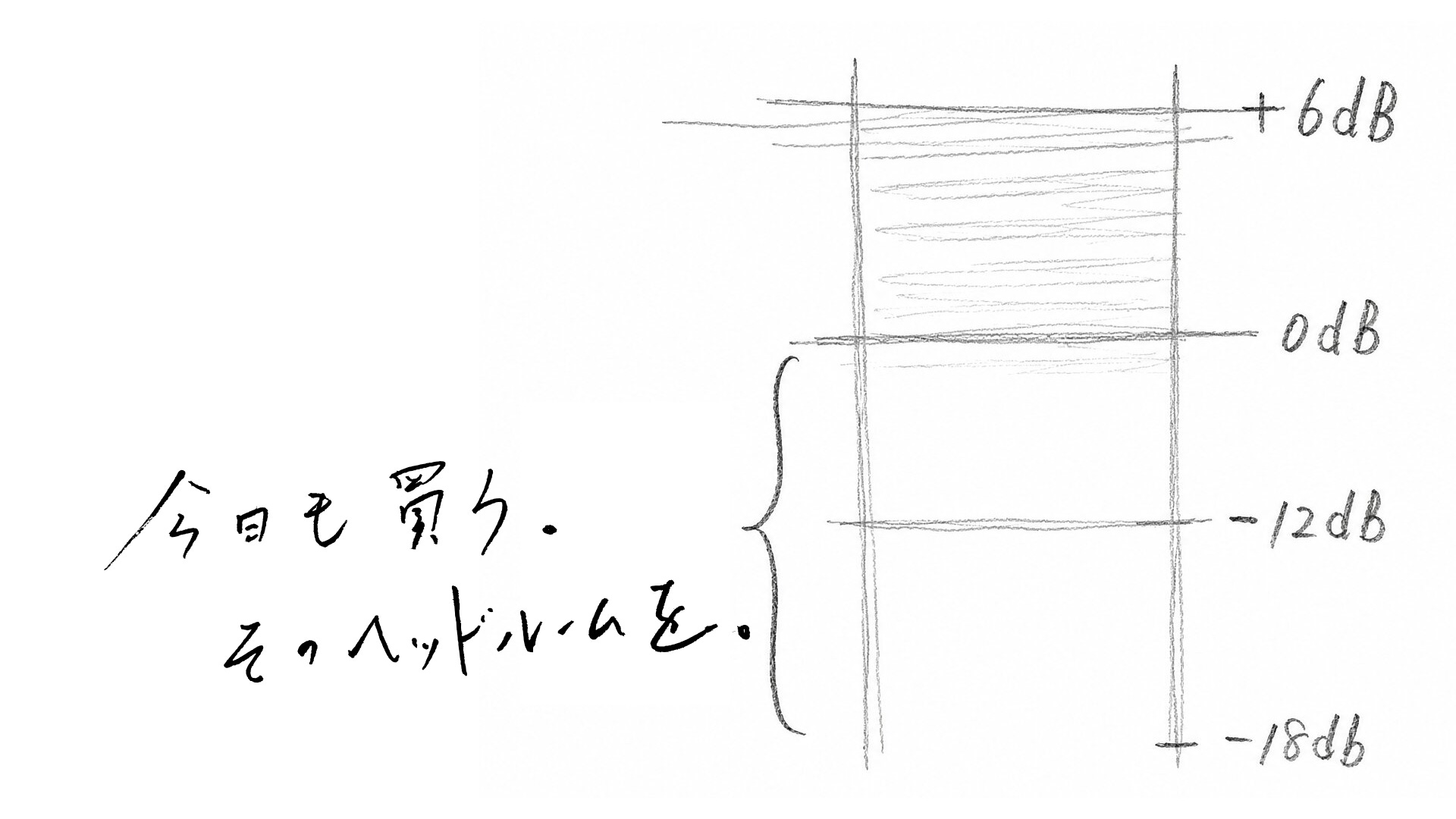
The previous page held the word “headroom.” On the next line he wrote:
Watch the customer. Do not let the customer decide.
Then he added Saeki’s working name.
Provider-led variable control.
Seen only as words, it was far from Ichifune’s stage. The fact that he felt bad when he got no response and did not want to leave his characters behind halfway through did not fit into Saeki’s two columns.
But the form remained: caring about the customer was not the same as handing all judgment over to the customer.
Mizuno circled the word “led.”
Caring for the customer meant there were things that could not be left to the customer.
It sounded right, but used incorrectly, it could also become self-righteousness.
Ichifune’s words, “I’m anxious every time,” remained outside the circle.
← Previous: Chapter 7 — The Peak of Laughter

Back to the English Contents

Next: Chapter 9 — After It Sold for 300 Yen →

この章を日本語で読む