
## Chapter 3: A 450-Yen Break
He found the coffee shop about a week after the day he had drunk the 1,000-yen coffee.
That day, meetings with clients had continued from the morning, and it was a little past three in the afternoon by the time he finished his last visit. On the way back to the station, Mizuno stopped at a traffic light.
His shoulder bag held only his company laptop and product materials, but it felt heavier than it had that morning.
The light turned green, and the people around him began to walk. Mizuno crossed with them, but when he reached the other side, he turned away from the station.
There was no reason to hurry back to the office. There were probably several notifications waiting in his email and the company chat, but none of them required an immediate reply.
As he entered a narrow street, the sound of cars receded and older buildings began to line the road. Small shops occupied the first floors, and laundry hung from second-floor windows. Some of the storefronts gave no clear sign of whether they were open.
Among them was a coffee shop with a brown awning.
The sign showed only the shop’s name and the two characters for coffee. The menu outside listed blended coffee for 450 yen. There was also tea, milk, toast, and a morning set with an egg.
When Mizuno slid open the glass door, the bell above it rang twice in quick succession.
The shop extended farther back than it had appeared from outside. There were six seats at the counter on the right and four tables for two on the left. Newspapers and magazines rested on a shelf along the wall, and a ventilation fan at the back made a low sound.
“Welcome.”
The man behind the counter looked to be in his mid-sixties. He wore a dark-brown apron over a white shirt and thin-framed glasses.
Mizuno sat at an empty table.
There were already four customers inside. At one end of the counter, an elderly man was reading a newspaper. By the window, two men in work clothes sat facing each other. They said little, and one of them checked his watch from time to time. At a table in the back, a woman was writing something in a small notebook.
The owner placed a glass of water and a short menu in front of Mizuno.
“Call me when you’ve decided.”
The menu was almost the same as the one outside. There was only one kind of hot coffee, the blend, with iced coffee listed separately. It said nothing about the origin of the beans or the roast level.
“I’ll have the blend, please.”
“Sure.”
The owner wrote briefly on the order slip and returned to the counter.
One of the men in work clothes by the window spoke without sitting up from the chair back.
“We should get going soon.”
The man across from him did not answer, and the man who had spoken did not stand up right away either. There was still a little coffee left in both cups.
The owner looked toward their table but did not say anything.
Mizuno placed his bag on the chair beside him. Even after the weight left his shoulder, the sensation remained in his body.
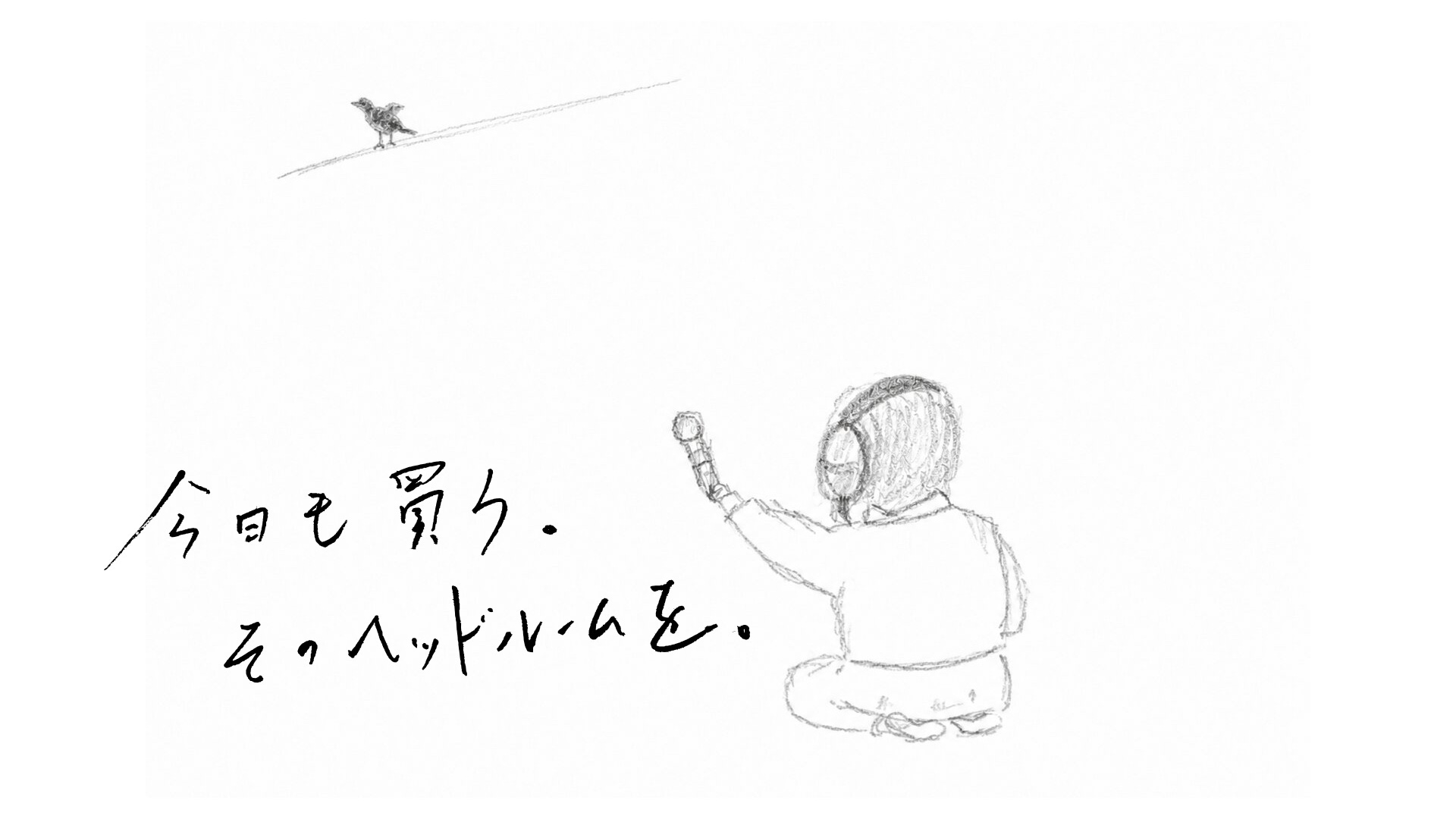
The small recorder was in his jacket pocket, but he had no intention of taking it out. His ears picked up the sounds in the shop on their own.
A newspaper page turned. A pencil rubbed against the paper of the notebook. A spoon touched the rim of a saucer, and somewhere behind the kitchen counter, water ran briefly from a faucet. None of the sounds was loud, and even when they overlapped, no single one moved to the front.
The owner scooped out some beans and started the grinder.
The rotation was lower and thicker than the one Mizuno had heard in Segawa’s shop, and it ran for a slightly different length of time.
The cup from a week earlier returned to Mizuno. The aroma like white flowers. The acidity that had changed as the temperature fell. The small card with the farm name and elevation. That cup had come with a great deal of information before he even drank it.
There was almost none of that in the shop in front of him.
The owner put the ground beans into a filter. He waited briefly after the first pour, then continued at a steady pace. There was no explanation. Before long, he placed a white cup in front of Mizuno.
“Here you go.”
“Thank you.”
The surface shone black, and the aroma carried the bitterness of deeply roasted beans.
The first sip brought heat and bitterness, followed by a faint sweetness. The aroma did not change in several stages the way Segawa’s coffee had, and the taste was not new to him.
If someone asked whether it was good, it was good.
But he did not need to search for words to explain it.
The elderly man at the counter asked the owner without lowering his newspaper.
“Isn’t the horse racing in today’s paper?”
“It’s in there. Near the back.”
“Can’t find it.”
“Aren’t you reading yesterday’s paper?”
The man checked the date.
“You’re right.”
The owner did not laugh. He took a fresh newspaper from the shelf and placed it beside the man.
“That one’s today’s.”
The man folded the old paper and opened the new one. The conversation ended there, and the owner added nothing.
The two men by the window stood up at almost the same time. One carried the order slip to the register. The other pushed the chair he had used back under the table.
“900 yen for the two of you.”
The man handed over a 1,000-yen bill. The change, including several ten-yen coins, rang briefly in the tray.
When the two men left, the bell rang twice.
The owner did not clear their table immediately. He first passed by Mizuno and looked at the now-empty water glass.
“Want some more water?”
“Yes, please.”
As he went back for the water, a new customer entered. It was a woman carrying a shopping bag.
She sat at the empty table by the window.
“The usual.”
“No toast today?”
“I already ate.”
“Then just coffee.”
There was no need for a menu or a price check. The woman placed the shopping bag on the chair beside her and let out a deep breath.
After bringing Mizuno more water, the owner cleared the cups from the table the two men had used, wiped it, and put the chairs back. Then he started on the woman’s coffee.
He did not look hurried, but there was no time when he stood still. He simply finished one thing in front of him and moved on to the next. There seemed to be no need to hurry anyone out in order to make room in the sequence.
Mizuno drank the coffee after it had cooled a little. The bitterness had rounded off, and it was easier to drink than before.
The window reflected the people walking along the street. People heading toward the station. People carrying shopping bags. People walking bicycles. Most of the customers who came here did not look as though they had traveled from far away with the shop as their destination.
The shop was on their way, and they needed to sit for a while. At that point, they paid 450 yen.
Mizuno called to the owner.
“Excuse me.”
“Yes?”
“What kind of taste are you aiming for with the coffee here?”
“What kind of taste?”
The question did not seem to have reached him.
“The beans, the roast. I was wondering whether there’s a kind of coffee you want the shop to make.”
The owner looked at Mizuno’s cup.
“Not too bitter. Not too weak.”
“Right.”
“Drinkable after it cools.”
That seemed to be the end of the answer, but when Mizuno nodded, the owner added a little more.
“This isn’t a place people come to for the beans.”
Segawa’s shop returned to Mizuno.
“Don’t they come here to drink coffee?”
“They come to drink coffee. They don’t come to ask the name of the beans.”
The woman’s coffee was placed in front of her. She did not drink it right away. She sat with both hands around the cup. The owner did not urge her to drink.
“If someone tired can sit for about fifteen minutes and leave feeling a little less bad, that’s enough.”
Mizuno looked at his cup.
450 yen.
A little less than half the price of the coffee he had drunk a week earlier. But he did not feel like comparing the two prices directly.
Segawa’s cup had taught Mizuno an aroma he did not know. He had waited for the temperature, checked how the taste changed, and taken each subsequent sip while listening to talk about the farm and the beans.
The cup in front of him asked nothing of him.
He did not need to search for the taste or remember an explanation. The unanswered emails and the next appointment could remain in his head without having anything to do with the coffee.
Here, he only had to sit and drink.
“Have you ever thought about adding more to the menu?”
“There used to be more.”
“You cut it down?”
“I did.”
The answer came quickly.
“We had parfaits and sandwiches too. They took time when someone ordered them, and ingredients were left over. When you’re running the place alone, there’s only so much you can do.”
“Don’t customers ask you to add things?”
“Some do.”
The owner answered while pouring milk into a small container.
“But if I add things and make them wait, it isn’t much of a break, is it?”
The low sound of steam heating the milk gradually rose behind the counter, then stopped short.
“Better for them to be able to sit the same way whenever they come than for me to keep adding things I can do.”
It was not that he ignored what customers wanted. But he would not return the shop to one where every response meant more preparation and stock, and every order changed the waiting time.
To Mizuno, it sounded as though he had chosen the part where customers could rest and was protecting it. But to the owner himself, it might simply have meant that once he went beyond what he could keep doing alone, it would be more trouble afterward.
The elderly man at the counter closed the newspaper.
“Yoshioka, the bill.”
That was when Mizuno first learned the owner’s name.
Yoshioka checked the slip and accepted the coins from the man.
“I’ll be back tomorrow.”
“Check the date before you start reading.”
“Today was just a mistake.”
The man returned the new newspaper to its place and left. The bell rang once, and the door did not close completely.
Yoshioka came out from behind the counter and pulled it a little harder. When the bell rang a second time, only the ventilation fan and the dishes were left sounding in the shop again.
Mizuno finished his coffee while listening to them.
Some of the weight in his shoulders from when he entered still remained. His work had not decreased. The emails and company notifications had not disappeared.
He did not feel the need to stand up right away.
The woman with the shopping bag had finally lifted the coffee to her mouth. Outside the window, a bicycle stand clicked up, and the sound of its tires moved away.
Mizuno took the order slip to the register.
“450 yen.”
He handed over a 500-yen coin, and a 50-yen coin was returned to his palm.
“Thank you.”
“Thanks.”
When he opened the glass door, the bell rang twice, and the sounds of car engines, bicycle bells, and voices exchanged outside the shops all came close at once.
After stepping onto the sidewalk, Mizuno looked back through the glass.
Yoshioka was clearing Mizuno’s cup and pushing the empty chair back under the table. It had been put back so the next person could sit in it the same way.
Mizuno touched the recorder in his pocket.
He had not recorded anything. The sounds of the shop remained in his ears.
Dishes. Newspapers. The ventilation fan. Short orders.
None of them was a special sound, or a sound that asked anything of the people who were there.
← Previous: Chapter 2 — A 1,000-Yen Cup

Back to the English Contents

Next: Chapter 4 — A Stranger’s Attachment →

この章を日本語で読む