
## Chapter 2: A 1,000-Yen Cup
After parting with his friend, Mizuno walked south through the shopping arcade.
About half the shops had opened for the morning. Silver containers were beginning to line the front of the prepared-food shop. At the dry cleaner’s, an employee was arranging hangers, while people who appeared to be on their way to work moved along the edge of the sidewalk toward the station.
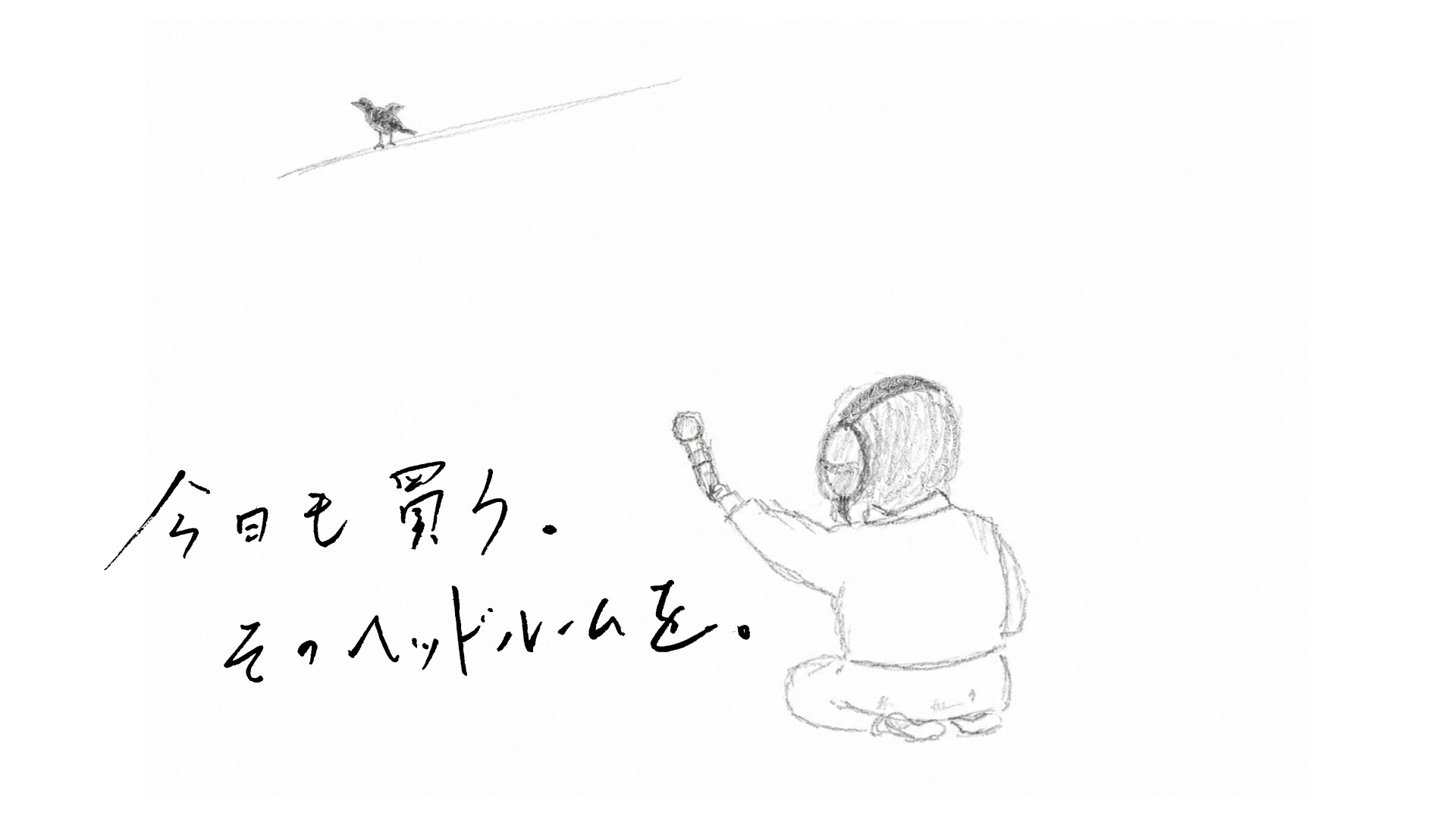
The recorder remained in his jacket pocket. After he stopped recording, his ears kept searching the street for sounds for a while. The distance of a bicycle approaching from behind, a car slowing before the light, the difference between an open shop and a closed one—those things remained even after he took off the earphones.
A small sign stood at the corner of an intersection.
On the white board were the shop’s name and just three words describing the day’s coffee.
Panama.
Geisha.
Natural.
Beside them was the price: 1,000 yen.
Mizuno stopped.
The shop occupied the first floor of an old building. Through the glass door, he could see a wooden counter and several chairs. The interior was new, but the pillars and ceiling still showed the shape of the shop that had been there before. Of the tables for two by the window, only one was empty.
When he opened the glass door, a small bell rang once. Inside, the thin sound of water being poured continued.
The man behind the counter appeared to be in his late thirties. He wore a black apron over a white shirt with the sleeves rolled up to his elbows.
“Good morning.”
“Good morning.”
When Mizuno headed toward the empty table, the man spoke.
“Please order here.”
The menu at the end of the counter listed a dark-roast blend for 600 yen, coffee made with Ethiopian beans for 750 yen, and a Panamanian Geisha for 1,000 yen. Beneath the origin and processing method were short descriptions of the flavors.
Mizuno pointed to the last one.
“I’ll have this.”
“The Geisha.”
There was a little something more than confirmation in the man’s reply.
“The aroma is quite bright. It’s very different from a typical dark roast.”
“That’s fine.”
Mizuno handed him a 1,000-yen bill. Once he had paid, the man showed him a small card printed with the name of the farm, its elevation, and the processing method.
“I’m going to brew it at a slightly lower temperature today. The aroma is easier to pick up once it has cooled a little than when it’s hot.”
“After it cools.”
“Yes. If you’re expecting bitter coffee, it will probably feel like a different drink.”
The explanation was not long, but he seemed to want to say enough to keep a first-time customer from misreading the taste.
The beans struck one another with hard clicks in a small container, followed by the high whir of the grinder for several seconds. When it stopped, the smell of the ground coffee spread through the shop.
Mizuno sat by the window and placed the recorder on the chair across from him. He did not record.
At the counter, the man wet a paper filter with hot water and continued preparing the coffee. The sounds of water and utensils continued, but none of them sounded hurried.
A customer who had arrived earlier, a man who appeared to be in his forties, was talking with him about the beans at the counter.
“This has less of a fermented character than the one I had in Tokyo before.”
“It doesn’t come through as strongly in this lot. Instead, the floral quality remains after it cools.”
“This farm released a washed lot last year too, didn’t it?”
“It did. I prefer this one.”
Their conversation included several farm names and processing methods that Mizuno did not know. They did not seem to be competing over knowledge so much as checking how the cup in front of them was different. The man’s words also came faster when he was talking about beans he had chosen himself.
1,000 yen.
As an everyday cup of coffee, it was not cheap. But the customer at the counter had asked about the previous year’s processing method before bringing up the price.
The man tilted a narrow-spouted kettle, and the first stream of water fell into the center of the ground coffee. The grounds slowly swelled, and a fruit-like aroma rose with the steam. It was different from the aroma of dark-roast coffee, and Mizuno drew in a breath without thinking.
The water stopped once, then was poured again in a thin stream.
When the brewing was finished, the man brought a white cup and a small card to Mizuno’s table.
“It’s hot at first, so you don’t have to force yourself to look for the aroma. Once it cools a little, the flavor changes.”
The aroma rising from the surface was closer to tea than to coffee.
When Mizuno took a sip, there was a light acidity at first. Then a scent that made him think of white flowers came through his nose. After he swallowed, a sweetness like ripe fruit remained.
When he set down the cup, it seemed to have shown on his face. The man smiled a little.
“Quite different, isn’t it?”
“It is. More like fragrant tea than coffee.”
“A lot of people say that.”
The man returned to the counter.
Mizuno took another sip. He could tell the difference in the taste without recalling the explanation.
It was good.
The number 1,000 no longer looked as large as it had before he took a sip.
The customer at the counter began to pay.
“Segawa, are you sure it’s all right to serve this lot for 1,000 yen?”
Mizuno listened to their conversation with the cup still in his hand.
“If I were running this shop in Umeda, no.”
“Is it the rent?”
“The rent is part of it. A larger shop would need staff too. Here I can keep the shop small, so I can put that money into the beans.”
The customer looked around the shop.
“It’s interesting that you serve beans like these here.”
“It isn’t an easy location,” Segawa answered. “But I’d rather do it this way than move near the station and charge 1,500 yen a cup.”
It did not seem that he had chosen this location only to sell the coffee cheaply. He seemed to prefer leaving more of the price for the beans to moving to a larger shop, hiring more people, and adding those costs to each cup. There was a preference in that choice that could not be measured by sales alone.
“I think 1,000 yen is cheap.”
“I just wish a few more of the people who say that could find the shop.”
When the customer left, the bell rang once and the glass door closed.
As if taking his place, a man in work clothes came past the window. He slowed in front of the shop and leaned toward the white sign.
“1,000 yen.”
His voice could be heard through the glass.
He looked inside once, then turned down the next street.
Segawa had seen him too, but said nothing.
The customer from the counter had called the same 1,000 yen cheap. The man outside had seen the number and walked away.
Neither of them seemed to be mistaken about the value of the coffee. The contents of the cup were the same. As the temperature fell, the acidity weakened, and only the floral aroma remained for a long time.
“It really does change after it cools.”
Segawa nodded when Mizuno spoke.
“Sometimes people drink it only while it’s hot and say it’s sour.”
“Is it hard to understand without an explanation?”
“Depends on the person. Too much explanation can be tiring too.”
He explained because he wanted to convey what was good about the coffee. But more explanation could tire a customer before they even drank it. Segawa did not say everything he knew. He stopped once he had said enough for the customer to receive the cup.
Mizuno looked at the empty seat at the counter.
“Would it be better to offer more coffee at lower prices for people in the neighborhood?”
After asking, he thought he might have gone a little too far.
Segawa did not reject the idea at once.
“If I served a cheaper cup, more people might come in. But that doesn’t mean they would want this coffee.”
“Even if you lowered the price?”
“Of course, I think there can be coffee for everyday drinking. I do serve a blend.”
There was a 600-yen item on the menu.
“But I don’t think lowering the price of this cup is quite the answer.”
“So 1,000 yen isn’t the wrong price?”
Segawa did not hesitate there.
“I don’t think it’s wrong. Considering the cost of the beans, the sorting, and the number of cups I can serve, I’m actually keeping the price down. The people who come to drink it tell me it’s cheap.”
There was none of his earlier hesitation in the voice that said the price was right. What followed, though, sounded different.
“But those people don’t know this shop is here.”
Two bicycles passed down the street one after the other. The second bicycle’s brake sounded shortly after the first bicycle’s bell.
“I can buy good beans and brew them properly. That much I can do myself,” Segawa said. “I’m still not very good at making it so the people who want to drink it can get all the way here.”
Lowering the price might bring in some of the people walking along the street. But that did not mean they wanted to drink the Geisha. On the other hand, even if there were people who considered the coffee cheap, they would not necessarily happen to pass in front of the shop.
“Where was that customer from?”
“Kyoto.”
“From Kyoto?”
“Apparently, a roaster I know told him about the shop. Without that introduction, he probably wouldn’t have known it was here.”
Mizuno looked at the card on the table.
Farm.
Variety.
Processing method.
Elevation.
There were several kinds of information in a single cup. Some customers wanted to know that information. Others could enjoy the aroma without knowing it. Meanwhile, some of the people walking along the street in the morning looked to coffee only as a way to take a break or wake themselves up.
The same cup did not arrive at the same size for everyone.
Mizuno finished it. In the last sip, now cool, there was almost no bitterness. Only the sweet aroma remained.
“It was good.”
“Thank you.”
Segawa took the cup away.
Before leaving, Mizuno looked at the menu once more. The number 1,000 had not changed.
Outside, the morning street was brighter than before. At the shop next door, cases of bottled drinks were being unloaded from a cart. Across the street, the price tags in a storefront were being replaced.
After walking a few steps, Mizuno looked back. Segawa was preparing the next brew.
Three chairs in the shop were empty.
There was nothing wrong with the taste.
There was a reason for the price.
Some customers called the cup cheap.
The chairs remained empty.
The product and the people who wanted it were still not in the same place.
The thought did not quite become a sentence and stayed with him after he started walking.
← Previous: Chapter 1 — Not Too High

Back to the English Contents

Next: Chapter 3 — A 450-Yen Break →

この章を日本語で読む